

Weathering the Storm: How to Prepare for the 2025 Hurricane Season with Smarter Insurance and Travel Tools
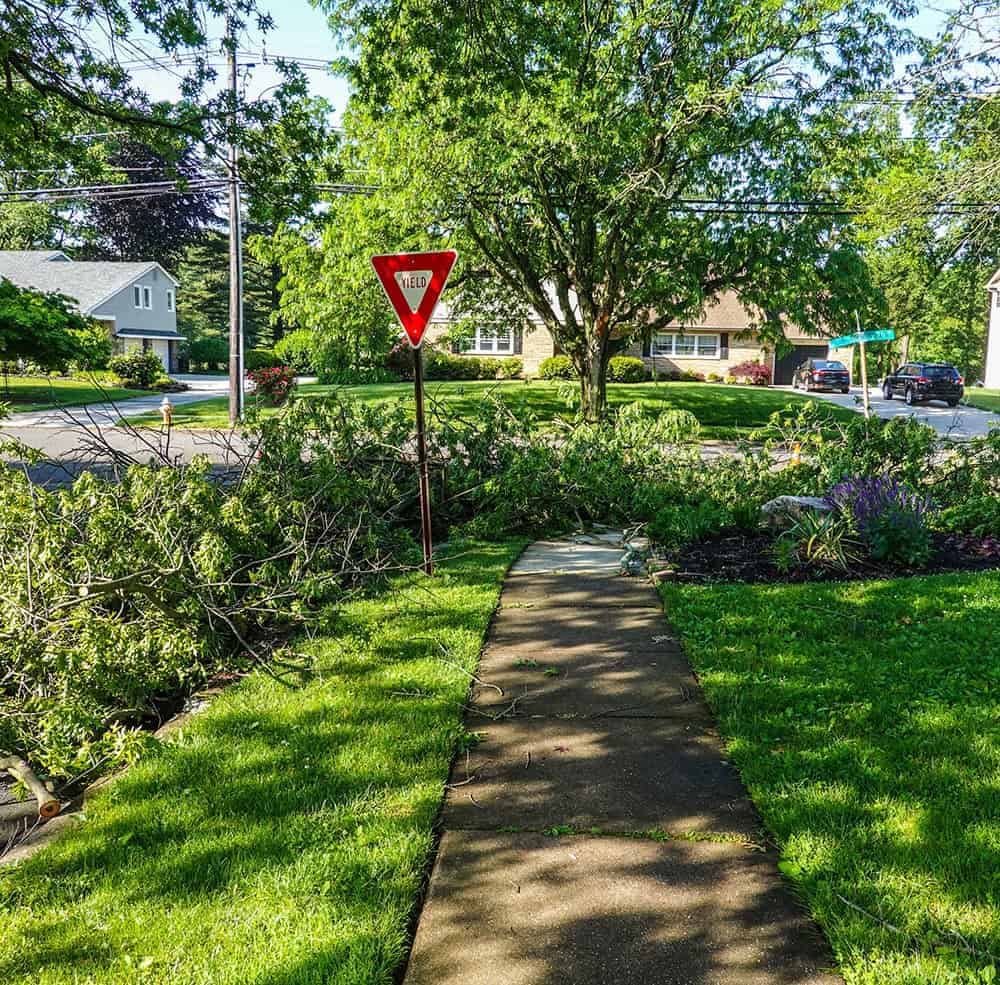
The 2025 hurricane season is underway, stretching from June 1 to November 30—and as we’ve seen time and again, hurricanes don’t just hit the coast. Storm systems that make landfall in the Gulf or along the Atlantic often carry high winds, torrential rain, flash flooding, and trees falling well into inland communities, including metro Atlanta. In fact, some of the most severe property damage and power outages in Georgia’s past storms occurred far from the coastline.
That’s why preparedness isn’t just for coastal residents, it’s for all of us.
To help you get ready, this article brings together expert guidance from Daniel Owen, owner of Owen & Associates Insurance Agency, as featured in an August 2024 interview by Teresa Perkins, along with insights from the Georgia Department of Transportation’s 511GA hurricane preparedness system. Together, these resources offer a practical, two-part strategy: protect your home, and plan your evacuation routes.
Inland Damage is Real: Don’t Wait to Fortify Your Home
“Insurance is designed to cover the unexpected—not what could have been avoided,” explains Daniel Owen, who has helped homeowners across metro Atlanta and beyond protect their properties for decades.
In his interview with Perkins, Owen stresses the importance of preventative maintenance, especially for inland areas where intense winds and saturated ground often lead to tree falls, flooding, and roof damage—even without a direct hurricane strike.
Here’s what inland homeowners should prioritize:
- Roof inspections. Owen urges homeowners to check for curling or cracked shingles—early signs of trouble. Many insurance providers are shifting toward percentage-based deductibles and only offer limited coverage for older roofs.
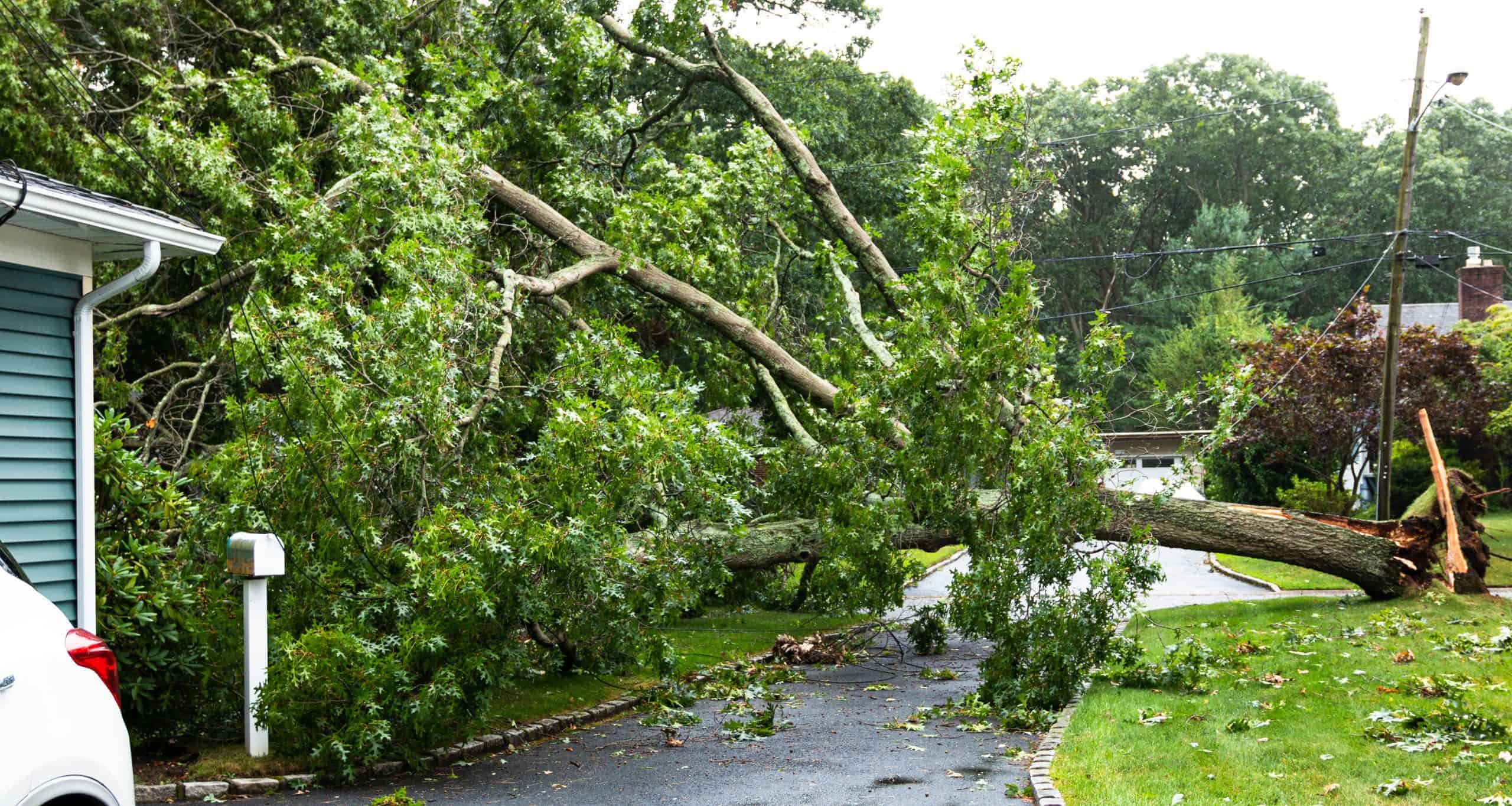
- Tree and branch removal. Inland Georgia, especially Atlanta’s tree-lined neighborhoods, is vulnerable to falling limbs and uprooted trees during high winds. Have a professional arborist check for disease or instability, even if the tree looks healthy from the outside.
- Algae control with salt washes. This technique can keep your roof clean and prolong shingle life—especially useful in Georgia’s hot, humid climate.
- Weather stripping and sealing. High winds can force water into small cracks and seams. Owen recommends checking doors and windows seasonally to improve insulation and storm resistance.
- Clear gutters and check drainage. Even in neighborhoods far from rivers or coastlines, urban flash flooding is increasingly common. Proper drainage can protect your home’s foundation and reduce mold risks.
By taking these steps, homeowners reduce not only storm damage but also insurance claims and long-term repair costs.
Getting Out Safely: How 511GA Helps During Inland Evacuations
When most people think of hurricane evacuations, they picture long lines of coastal traffic heading inland. But increasingly, inland cities like Atlanta are part of the evacuation and emergency management picture, especially when storms bring floods or cause widespread infrastructure damage.
That’s where 511GA comes in—a free service from the Georgia Department of Transportation (GDOT) that offers real-time travel updates, route planning, and emergency roadside assistance statewide.
As outlined in GDOT’s 2025 Hurricane Preparedness document, 511GA helps you:
- Plan safe evacuation routes, even from inland locations that may be in the path of secondary flooding or infrastructure disruption.
- View live traffic and weather radar, including inland storm bands and road closures caused by flooding or debris.
- Receive updates about HERO and CHAMP patrols, GDOT’s roadside assistance programs in Metro Atlanta and beyond. These teams are especially important when inland roads are blocked by fallen trees or downed power lines, a common issue during hurricanes.
- Report storm hazards like blocked lanes, debris, and unsafe driving conditions directly by calling 511.
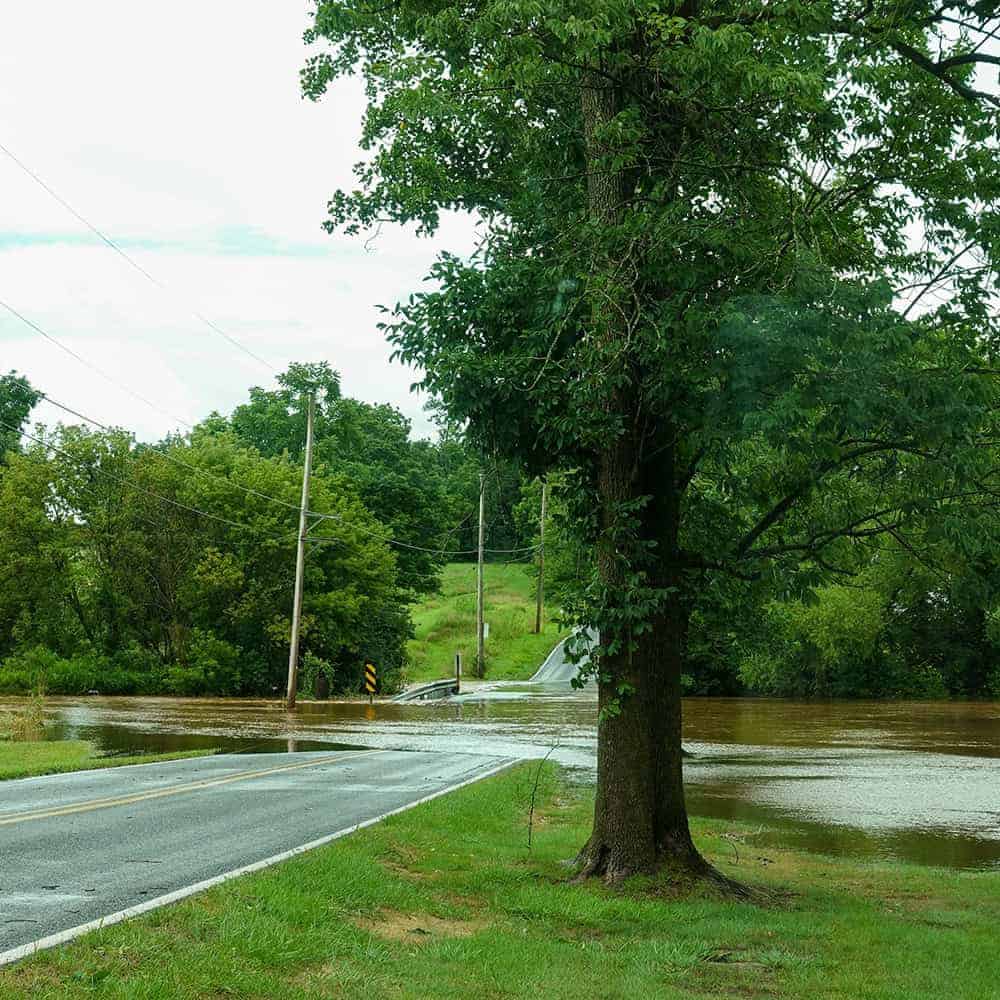
And yes, inland residents should be just as concerned with tides and runoff as those on the coast. Heavy rains from stalled hurricanes often overwhelm local streams, leading to street closures and basement flooding.
You can access 511GA by:
- Visiting 511ga.org
- Downloading the 511GA app from the App Store or Google Play
- Dialing 511 from your phone, 24/7
Use the map’s legend to toggle “Evacuation Routes,” or click the “Extras” tab for hurricane-specific alerts.
A Whole-State Strategy: Don’t Wait Until the Sky Turns Gray
As both Daniel Owen and the Georgia DOT make clear, preparation doesn’t start with the first storm watch—it starts today. Whether you’re reinforcing your roof in Buckhead or mapping your evacuation route from Macon, the time to act is now.
“If you wait until a storm is coming,” Owen told Perkins, “you’ve waited too long.”
Coastal counties may get the headlines, but Georgia’s inland communities feel the aftershocks—flooded roads, downed power lines, and uninsured damage. That’s why a strong hurricane plan for 2025 includes:
- A well-maintained, storm-resistant home
- The right insurance coverage
- And access to real-time transportation info through 511GA
Hurricanes may start at the coast—but they don’t stop there. In Georgia, being inland is no guarantee of safety from wind, rain, and rising water. With smart insurance strategies and the help of tools like 511GA, you can reduce your risks, lower your costs, and stay a step ahead—no matter where you live.
Quick Resource Guide
- Home Insurance Tips: Read Teresa Perkins’ full article
- Insurance Services: Owen & Associates Insurance Agency, LLC
- Storm & Traffic Alerts: 511GA.org or call 511
- Roadside Help in Metro Atlanta: HERO program info
- Statewide Roadside Help: CHAMP program info
- Tide & Surge Predictions:
- Full GDOT Hurricane Info: Hurricane Safety & Evacuation