

Plant wild. Plant local. Plant with purpose.
Looking to create a beautiful garden that also supports bees, butterflies, and other beneficial insects? Wildflowers are a vibrant, low-maintenance way to do just that. With bold colors, diverse shapes, and long blooming seasons, these native plants do more than brighten up your yard — they help sustain pollinators and local ecosystems.
Whether you’re a seasoned gardener or just getting started, these easy-care wildflowers offer a colorful, eco-friendly way to bring your garden to life.
Why Wildflowers?
Wildflowers are flowers that grow naturally in the wild, without needing much help from humans. They’re often adapted to local climates and soils, meaning they typically require less water, fertilizer, or upkeep than ornamental plants. And when you choose native wildflowers, you’re not just planting for beauty — you’re planting for biodiversity. Many wildflowers offer food and shelter for bees, butterflies, beetles, and birds, playing a vital role in pollinator conservation.
Ready to grow a thriving pollinator paradise? Here are eight wildflowers that practically grow themselves.
- Black-Eyed Susan
With sunny yellow petals and dark centers, black-eyed Susans (Rudbeckia hirta) are iconic summer bloomers. These hardy perennials can tolerate poor soil and full sun, making them a staple for pollinator gardens. They attract a wide range of pollinators, including butterflies and native bees.
- Milkweed
Milkweed (Asclepias spp.) is best known as the host plant for monarch butterflies. Monarch caterpillars rely on it for food, and its fragrant pink, orange, or white blooms are a favorite nectar source for many butterflies and bees. Plus, milkweed is drought-tolerant and thrives with minimal care.
- Coneflower
Coneflowers (Echinacea spp.) are as tough as they are beautiful. Their daisy-like purple blooms are magnets for bees, butterflies, and even songbirds that feed on their seed heads in the fall. These perennials bloom from early summer through fall and are very low-maintenance.
- Yarrow
Yarrow (Achillea millefolium) produces clusters of small flowers in white, pink, or yellow and is loved by bees and beneficial insects. It also helps improve soil health and is known for its resilience in hot, dry conditions.
- Phlox
Creeping phlox (Phlox subulata) forms colorful mats of blooms in spring, while garden phlox (Phlox paniculata) brings taller flower spikes in summer. Both attract butterflies and hummingbirds, and they’re great for filling in bare spots in the garden.
- Foxglove
Foxglove (Digitalis purpurea) adds dramatic height and vertical interest to your garden. Though toxic to humans and pets, its tubular flowers are irresistible to hummingbirds and long-tongued bees. Plant in partial shade and enjoy its stately presence.
- Wild Columbine
Wild columbine (Aquilegia canadensis) has delicate, lantern-like flowers in shades of red and yellow that bloom in spring. These nodding blossoms are rich in nectar and perfect for early pollinators like hummingbirds and bees.
- Evening Primrose
Evening primrose (Oenothera biennis) offers lemon-yellow blooms that open at dusk — just in time to feed night-flying moths and bees. It’s also a food source for several moth caterpillars and grows well in dry, open areas.
-
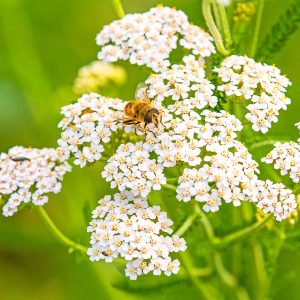
- Yarrow
-
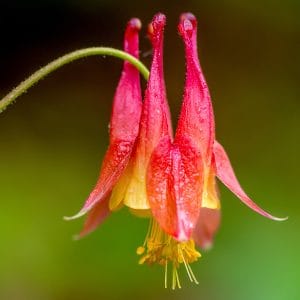
- Wild Columbine
-
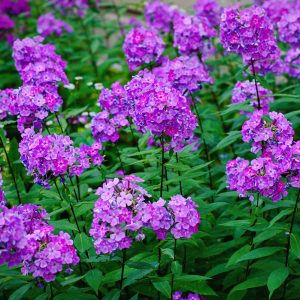
- Phlox
-
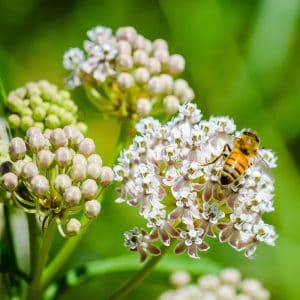
- Milkweed
-
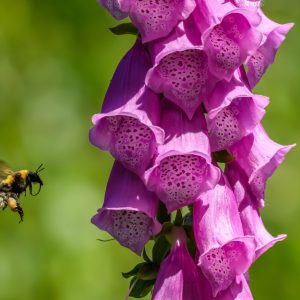
- Foxglove
-

- Evening Primrose
-
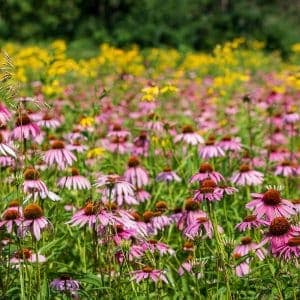
- Cone Flower
-
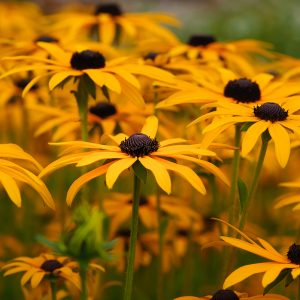
- Black-eyed Susans
Bonus: Join the Great Georgia Pollinator Census 2025!
Mark your calendar for August 22–23, 2025, and take part in the Great Georgia Pollinator Census! This hands-on, statewide citizen science event invites everyone — gardeners, schools, families, and curious nature lovers — to count the pollinators visiting their local plants for just 15 minutes.
It’s an easy way to help researchers understand pollinator trends while celebrating the essential role these tiny creatures play in our ecosystem.
Want to prep for the count? Planting wildflowers like the ones above will bring the buzz straight to your yard.
Learn more at GGaPollinatorCensus.org.
Dig Deeper: More Ways to Support Pollinators
Want to take your garden to the next level — and become a true pollinator hero? Check out these articles from Livable Buckhead for tips on pesticide-free gardening, rain barrel use, and designing gardens that work for your HOA:
- 🌿 Pollinator Conservation: The Crusader of Climate Reversal
- 💧 Be a Part of the Solution: Build a Rain Barrel
- 🌸 Designing an HOA-Friendly Pollinator Garden
- 🐞 Pollinator Conservation: Pesticide-Free Pollinator Gardens
Together, these resources will help you create a beautiful, sustainable garden that doesn’t just survive — it supports life.
Final Tip: Let It Be a Little Wild
Pollinators love it when things aren’t too tidy. Leaving some bare soil, fallen leaves, or dried stems gives bees and butterflies shelter and nesting spots. It may look messy to us — but to pollinators, it’s paradise.