

BuckheadCOMPOSTS: That Doesn’t Belong in the Compost Pile
By now, you’ve hopefully gotten the hang of composting—collecting your food scraps, dropping them in the bin, and feeling like a sustainability superstar.
But as we head into Month 3 of BuckheadCOMPOSTS, we need to talk about something that can really throw a wrench in the process: contamination.
Don’t worry—this isn’t a “gotcha” moment. It’s just about making sure all those good intentions actually turn into good soil.
🚫 First Things First: Not Everything “Natural” is Compostable
A good rule of thumb is “if it grows, it goes”…but there are a few sneaky exceptions.
Here are some of the most common culprits we’re seeing:
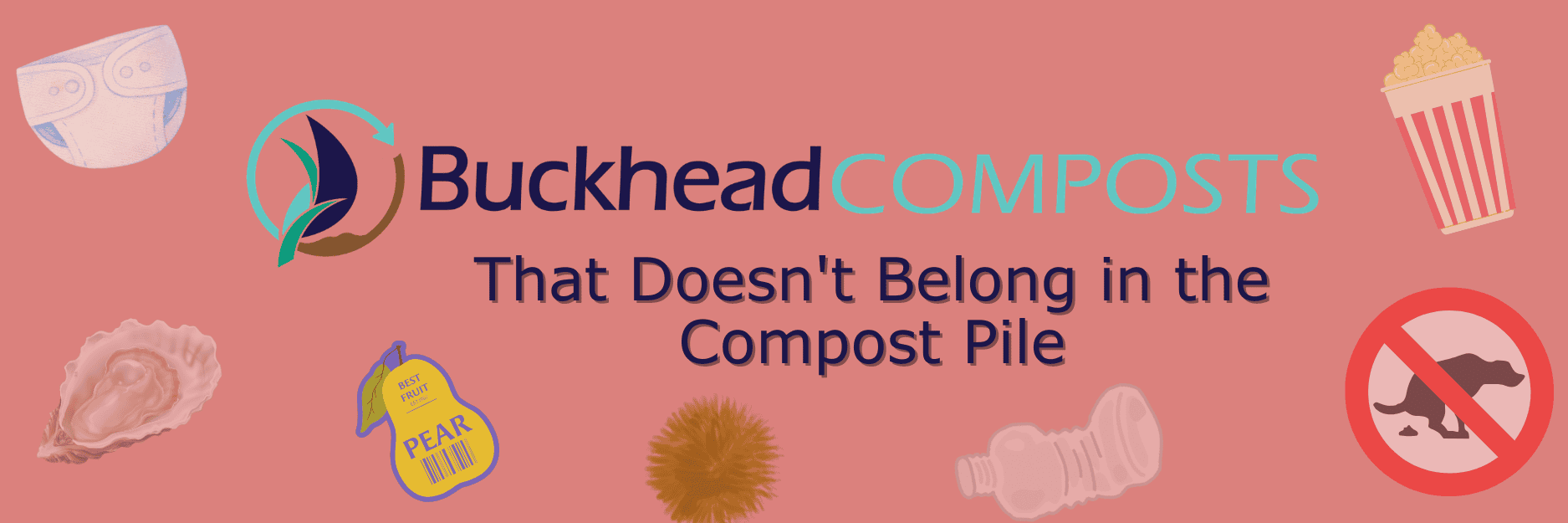
- Diapers & pet waste – We love your babies and your pups, but these can carry harmful bacteria that don’t belong in compost used to grow food.
- “Biodegradable” plastics – This one’s tricky. Many items labeled biodegradable don’t actually break down in compost systems and can leave behind microplastics. If it’s not certified compostable, it’s a no-go.
- Wipes (even the “natural” ones) – These are almost always made with synthetic fibers. Translation: plastic in disguise.
- Dryer lint, hair, and fur – Sounds harmless, but these often contain synthetic fibers and residues from detergents and products.
- Popcorn bags & butcher paper – They may look like paper, but many are lined with plastic or coated with chemicals to resist grease.
- Produce stickers – Tiny but mighty…these little guys are plastic and do not break down. Peel them off before composting.

Why It Matters
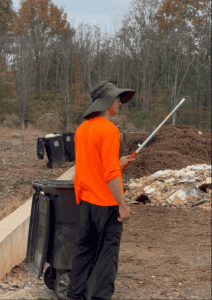
CompostNow team manually picks out contamination from bins
At the end of the day, compost becomes soil—the same soil that grows our food, supports our parks, and keeps landscapes healthy.
When non-compostable items sneak in, they don’t just disappear…they can leave behind plastic fragments or chemical residues that we definitely don’t want in that system.
Think of it this way:
If you wouldn’t want it in your garden, it shouldn’t go in the compost bin.
And to bring in the human element, real people are working hard on this whole compost thing, even sorting out the good stuff in your bin from the bad. Composting is still a very ‘hands-on’ operation and the hard working team at CompostNow inspects every bin as they are dumped into larger piles, manually pulling out any contamination they see. Let’s keep their dirty job a little cleaner and separate our food scraps correctly!
The Good News: Industrial Composting Can Handle More
Here’s where things get a little more forgiving (and pretty cool).
Because BuckheadCOMPOSTS partners with CompostNow’s industrial composting facility, you can include items that backyard compost piles usually can’t handle, like:
- Meat and bones
- Dairy products
- Oils and fats
These materials break down safely thanks to higher temperatures and controlled conditions—so don’t be afraid to toss that chicken bone or leftover mac & cheese.
When in Doubt…
If you’re ever unsure, keep it simple:
- Stick to food scraps and food-related paper products
- Skip anything with plastic, coatings, or chemicals
- And remember: when in doubt, leave it out (or check the guide!)

Let’s Keep It Clean (and Competitive)
Because this is a competition, contamination doesn’t just affect the soil—it can impact your building’s standing (and those monthly prizes 👀).
The cleaner the bin, the better the compost…and the better your chances of winning.
Composting is one of the easiest ways to make a real impact—but like any good system, it works best when we all play our part.
So keep up the great work, Buckhead—and let’s keep those bins clean!