

BuckheadCOMPOSTS: Food Waste Prevention – The Most Sustainable Food Is the Food You Actually Eat
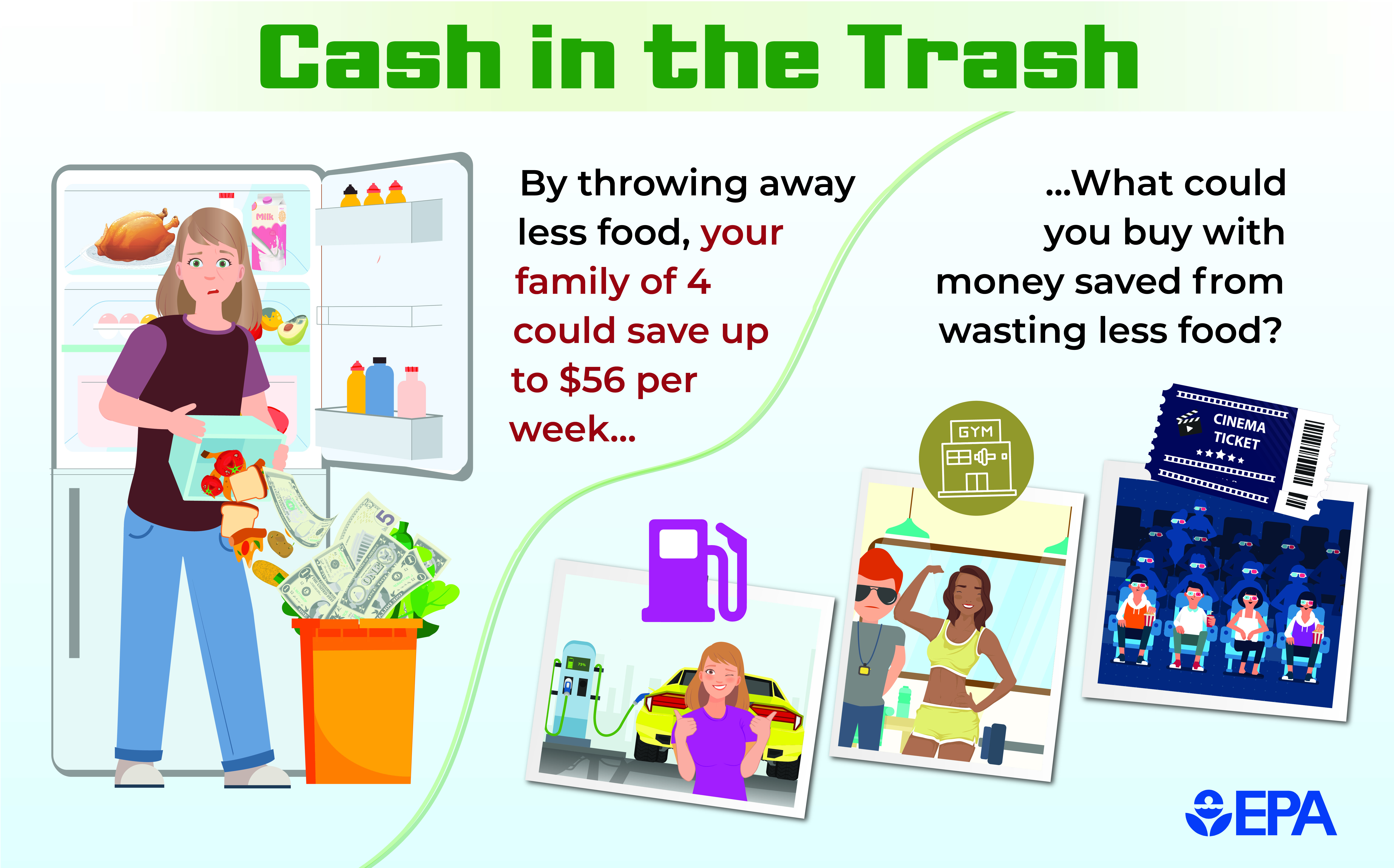
I’d like to think we all feel at least a little bad when we throw away food that’s gone bad. Sure, now that we’re composting, maybe we feel slightly better about it (at least those sad strawberries are becoming compost instead of heading to the landfill!). But it still stings. Every time I throw away a bunch of grapes that got too soft, I immediately think, “Well, there goes four dollars.” For the record, I’m a firm-grape-only kind of girl. Once they cross into raisin territory, we’re done.
Unfortunately, those sad trips to the trash can add up. It’s estimated that food loss and waste at the retail and consumer level costs about $161 billion annually in the United States, and the average American wastes roughly 429 pounds of food each year.
And while it might feel like a personal finance problem, food waste is also a major environmental issue. When food gets thrown away, we’re not just wasting the food itself. We’re also wasting all of the land, water, energy, fuel, packaging, and labor that went into growing, transporting, storing, and preparing it. Then, to add insult to injury, food is the single largest category of material sent to American landfills, where it breaks down and produces methane, a greenhouse gas far more powerful than carbon dioxide.
The good news is preventing food waste doesn’t require becoming one of those people with an immaculately organized refrigerator and a spreadsheet-based meal planning system. Most of us can’t control what gets left in a field, spoiled during shipping, or discarded at the grocery store. What we can control is what happens in our own kitchens.
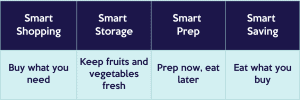
The EPA’s Food: Too Good to Waste program boils food waste prevention down into four simple strategies. They’re not revolutionary ideas, but they’re the kinds of small habits that can save you money, reduce waste, and make your life easier at the same time.
I personally like to treat my food waste prevention like a game. The goal is to simply to waste a little less food than you did last week. Rescue one item from the back of the fridge, freeze something before it goes bad, actually use that bag of vegetables I bought with the best intentions.
They say it takes around two months to build a habit. That’s only eight weeks of challenging yourself to waste a little less food. Along the way, you might discover a meal-planning system that works for you, a few freezer tricks you wish you’d learned sooner, or even a new favorite recipe. At the very least, you’ll save some money and have fewer moments of staring disappointedly into your compost bin thinking, “Well… I really meant to eat that.”
🛒 Shop Smart
The easiest food to avoid wasting is the food you never overbuy in the first place.
Before heading to the grocery store, take a realistic look at your upcoming week. Are you actually cooking five dinners at home? Do you have work events?
Buy for the week you’re actually going to have, not the week you’d like to have.
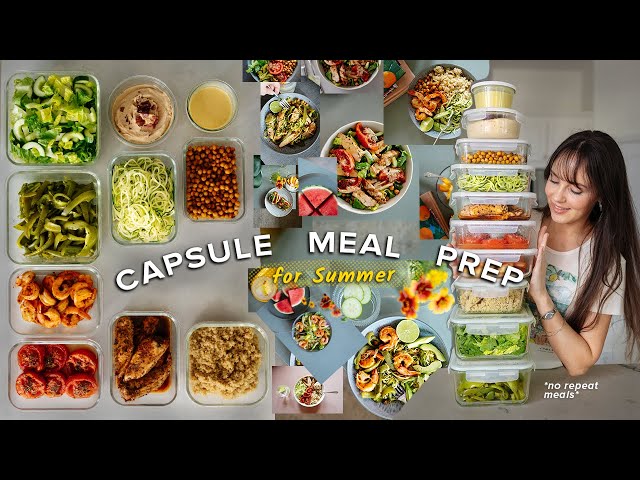
I’m sure you’ve heard of a capsule wardrobe, but have you heard of capsule cooking? Similar concept–purchase the same foods (ones you know you like and know how to cook) each week and have a system of utilizing them in different ways. How to make a capsule meal plan.
🥬 Store Smart
Proper storage can dramatically extend the life of produce.
A few easy tricks:
- Keep apples and bananas away from other produce. They release ethylene gas, which speeds ripening.
- Store washed greens with a paper towel to absorb moisture.
- Keep herbs like parsley or cilantro in a glass of water like a bouquet.
- Cucumbers, zucchini, and eggplant can often be stored on the counter if your kitchen stays cool.
A surprising amount of food waste happens simply because we stored things incorrectly.
:max_bytes(150000):strip_icc():format(webp)/produce-storage-chart3_1-cc50970a102d4e4b886d249914da8b06.png)
🔪 Prep Smart
When life gets busy, convenience wins. If your vegetables are washed, chopped, and ready to go, you’re far more likely to eat them.
Slice vegetables for snacks. Wash fruit when you get home from the store.
Future You will be grateful.
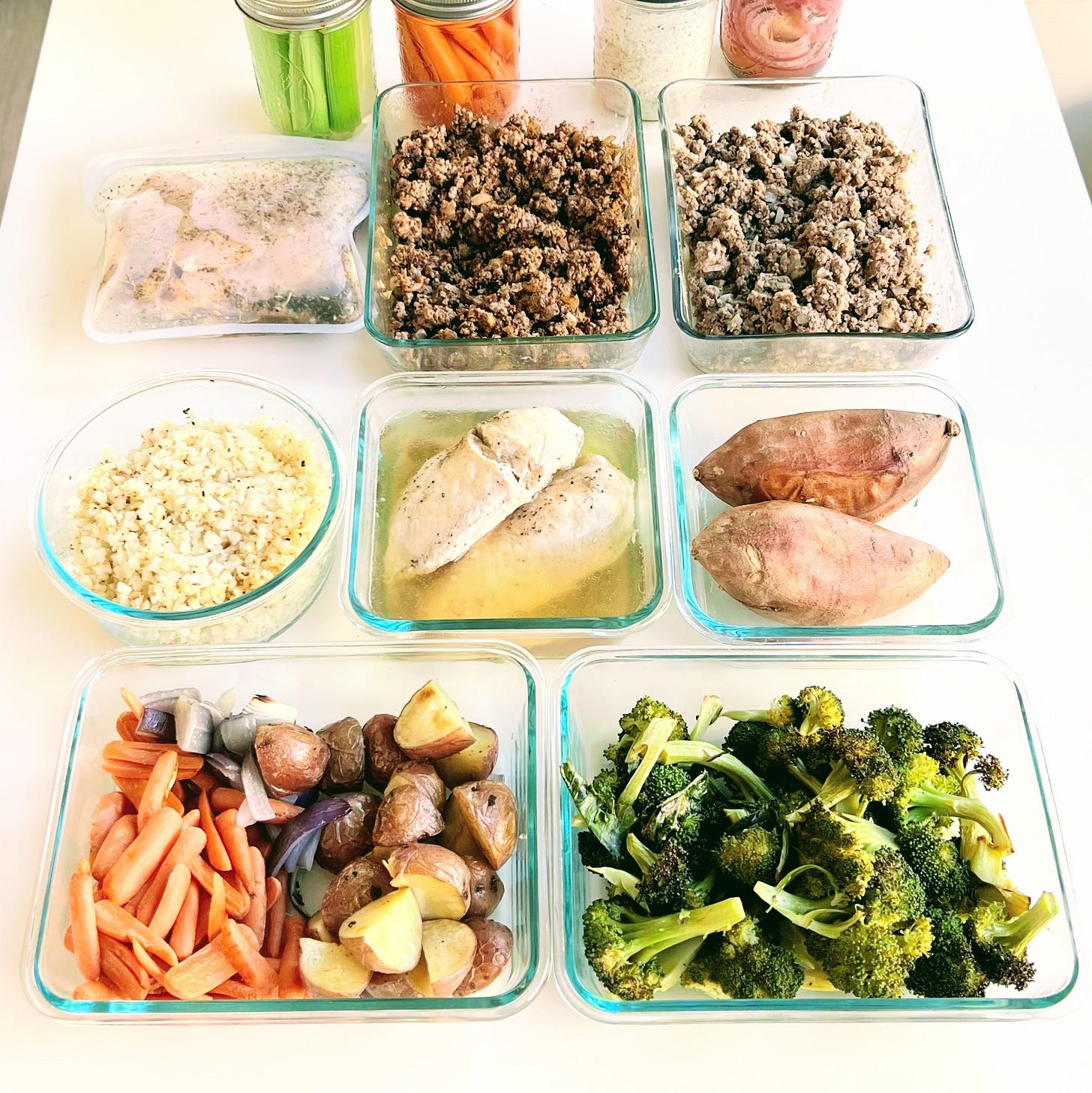
Remember the capsule cooking method? Cook a batch of plain shredded chicken, ground beef, white rice or roasted vegetables when you have time. Reheat and throw different sauces on them, in different combinations so it feels like you have a new meal each night. There’s plenty of capsule cooking influencers out there ready to show you how:
❄️ Save Smart
Freezers are the unsung heroes of food waste prevention.
When something starts getting close to the point of no return, don’t wait. Freeze it. Many foods freeze much better than people realize.
Which brings me to my favorite rabbit hole…
Food Waste Hacks I Learned from the Internet
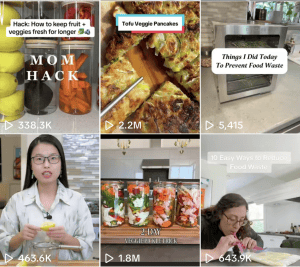
The algorithm finally started paying rent and delivered some genuinely useful food-saving tricks.
Easy Mode: Just Freeze It
Things that freeze surprisingly well:
- Spinach – Put the whole bag in the freezer, use it later in smoothies or put straight into a pan to wilt down for an omelet or pasta.
- Bananas – Put it in whole or slice it up, smoothies or banana bread in your future.
- Berries – Wash’em and toss’em.
- Ginger – It’s actually easier to grate when frozen.
- Tomato paste – Who uses a whole can?! Freeze in cubes or just in a plastic bag.
- Fresh herbs (especially chopped in olive oil)
- Leftover rice – Reheat with damp paper towel, it surprisingly maintains it’s texture.
- Shredded cheese
Medium Mode: A Little Prep Required
A few minutes of effort can save a lot of food.
- Chop extra celery and carrots for future soups.
- Freeze lemon juice in ice cube trays.
- Cube stale bread for stuffing, croutons, or breakfast casseroles (my absolute favorite: Everything Bagel Breakfast Casserole)
- Roast sweet potatoes whole, freeze, and thaw in fridge when you’re ready to enjoy.
- Portion leftovers into single servings you’ll actually eat.
Because let’s be honest: if the leftovers require work later, they’re probably not getting eaten.
X-Games Mode
Here’s where the Tiktok algorithm really shines. For those who enjoy turning kitchen scraps into a personal challenge:
- Quick-pickle vegetables. Toss everything thats on the verge of wilting in a jar with brine and now you have a fun vinegary topping or snack.
- Make Korean-style vegetable pancakes with miscellaneous produce. Cut it thin, mix in the batter, pan fry, dip with yummy sauces.
- Turn citrus peels into marmalade or candied peels. A fun addition to your next cocktail.
- Save Parmesan rinds for soups.
- Make vegetable stock from carrot tops, onion skins, celery ends, and herb stems.
This is where “food waste prevention” starts turning into “accidentally becoming a really good cook.”
Bonus Food-Saving Tricks
Revive Wilted Produce in Cold Water
Works surprisingly well for:
- Celery
- Carrots
- Lettuce
- Kale
- Spinach
- Most leafy greens
Sometimes your vegetables aren’t dead. They’re just thirsty. Chop them up and give them a good soak, they’ll be crispy in no time.
Learn the Difference Between “Best By” and “Bad”
Many dates on food refer to quality, not safety. A yogurt that is one day past its “best by” date isn’t automatically destined for the compost bin. Use your senses. Trust your eyes and nose.
Not every date is an expiration date.
Keep Produce Visible
Out of sight often becomes out of mind.
If healthy food is hidden behind three jars of condiments and a questionable takeout container, it may not survive the week.
Put the most perishable foods front and center.
And Finally… Let’s Talk About Pumpkins 🎃
 October may be the biggest food waste month of the year.
Millions of pumpkins are purchased for decoration, displayed proudly on porches… and then thrown away.
If you’re carving pumpkins this month:
- Roast the seeds.
- Compost the guts.
- Cook the pumpkin if it’s still in good shape after Halloween.
Pumpkins and winter squash can last for months when stored properly. Even that decorative squash you’ve had sitting by the front door since October might still be ready for soup, chili, tacos, or a roasted side dish in November.
Food waste prevention doesn’t have to be perfect.
You don’t need to save every carrot peel or transform every leftover into a gourmet meal.
But if you can waste a little less this week than you did last week, that’s a win.
And if something does end up past its prime?
That’s what composting is for.