

BuckheadCOMPOSTS: Compostable or Just Pretending? A Guide to Spotting Compostable Products in the Wild
 If you’ve been participating in Buckhead Composts for a while, you’ve probably become pretty good at identifying food scraps that belong in the compost bin.
But what about the tan, doesn’t-quite-feel-like-plastic, fork from your favorite healthy lunch spot? The takeout container that says “eco-friendly”? The coffee cup that looks suspiciously like paper but somehow feels different?
That’s where things can get complicated and compost contamination can sneak in.
As sustainable packaging becomes more popular, we’re seeing more restaurants, coffee shops, stadiums, and events switch away from traditional plastics and toward things that look more ~earthy. That’s a great step forward, but it also creates a new challenge: figuring out what’s actually compostable and making sure it ends up in the right place.
First Things First: Compostable and Biodegradable Are Not the Same Thing
Some of the biggest sources of contamination in compost piles come from deceitful marketing.
Many products today are labeled:
- Biodegradable
- Plant-based
- Natural
- Eco-friendly
- Sustainable
Those words might sound impressive, but they don’t necessarily mean a product is compostable. In fact, “biodegradable” can be especially misleading because almost everything biodegrades eventually. The real question is how long does it take and what does it leave behind?

That’s why compostability standards and certifications exist.
Look for Certification Logos
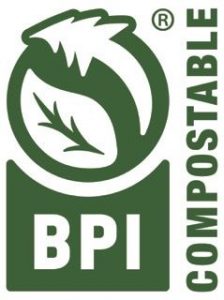 When you’re trying to determine whether a product is truly compostable, skip the marketing language and look for a certification mark.
The most common one you’ll see in North America is the BPI Certified Compostable logo from the Biodegradable Products Institute. BPI-certified products have been independently tested to meet compostability standards and are designed to break down in commercial composting facilities. [bpiworld.org], [bpiworld.org]
If a product claims to be compostable but doesn’t have a recognized certification, it’s worth taking a closer look.
Beyond the Logo: What Common Items Can Usually Be Composted?
While certifications are the gold standard, there are some everyday items that people are often surprised to learn can be composted.
Usually Compostable
- Paper napkins
- Paper towels
- Pizza boxes with grease stains
- Uncoated paper plates
- Brown paper bags
- Coffee filters
- Wooden stir sticks
- Toothpicks
- Paper takeout trays without plastic lining
- Wax paper (not parchment paper)
Many paper products that are no longer recyclable because they’re food-soiled are perfect candidates for composting.
The Deceivers
These are the items that fool even experienced composters. They look natural, paper-based, or compostable at first glance, but they don’t belong in the compost bin.
Common Compost Imposters
“Compostable” products without certification
- Just because something says “eco-friendly,” “green,” or “biodegradable” doesn’t mean it’s compostable.
- Look for a recognized compostability certification whenever possible.
Coffee cups
- Most coffee cups look like paper, but many are lined with a thin layer of plastic that prevents leaks.
- Unless specifically certified compostable, keep them out.
Paper plates with a shiny coating
- If it feels glossy, waxy, or waterproof, there’s a good chance it contains plastic or another coating. Generally, a good trick is to try and rip the plate in half. If it tears easily and without coming apart into layers, it is compostable. If it’s hard, or the top layer comes off, it is likely plastic-coated.
Frozen food boxes
- Those cardboard-looking boxes for frozen waffles, pizza, and microwave meals often contain plastic coatings designed to handle moisture.
Grease-resistant food wrappers
- Sandwich wrappers, bakery bags, and fast-food packaging may contain PFAS, waxes, or plastic barriers.
Tea bags
- Surprisingly, not all tea bags are compostable. Some contain plastic mesh or heat-sealed plastic fibers.
- If you’re not sure, empty the tea leaves into the compost and toss the bag in the trash.
“Natural” fiber products
- Bamboo plates, palm-leaf bowls, and molded fiber containers are often compostable… but not always.
- Some are treated with coatings that change the equation, so check before composting.
Produce stickers
- Tiny, but mighty contaminants.
- Those little stickers on apples, avocados, and bananas should always be removed before composting.
Paper towels used with chemicals
- Paper towels used to clean up food are compostable.
- Paper towels covered in cleaning products, disinfectants, or chemicals are not.
Just because it looks like cardboard doesn’t mean it’s living a cardboard lifestyle. If you wouldn’t be surprised to learn it contains plastic, its probably worth throwing out.
You Don’t Get All Your Sustainability Points for Switching to Compostable Products, You Also Have to Make Sure They Get Composted
A restaurant can spend extra money switching from plastic takeout containers to certified compostable ones.
An event can replace foam plates with compostable plates.
But if those items still end up in the trash, much of the environmental benefit is lost.
A compostable fork in the landfill is still in the landfill.
When organic materials break down in a landfill, they do so without oxygen, producing methane, a greenhouse gas that is significantly more powerful than carbon dioxide at trapping heat. The U.S. Environmental Protection Agency estimates that food waste makes up about 24% of landfill material and is responsible for approximately 58% of landfill methane emissions.
A compostable container thrown in the trash may still end up contributing to that problem.
A compostable container placed in the compost bin becomes healthy soil.
The full environmental benefit of compostable products is only realized when they’re actually composted.
Make the Switch with Atlanta-Based Products
We have an all-star amongst us who can help you make the switch to compostable service ware. Atlanta-based Better Earth produces compostable foodservice products made from rapidly renewable plant fibers rather than plastic. Their plates, bowls, clamshell containers, and servingware are used by restaurants, schools, businesses, and events across the country.
For businesses or organizations interested in reducing single-use plastic, companies like Better Earth and even CompostNow make it easy to source products that are designed to work with composting programs rather than against them.
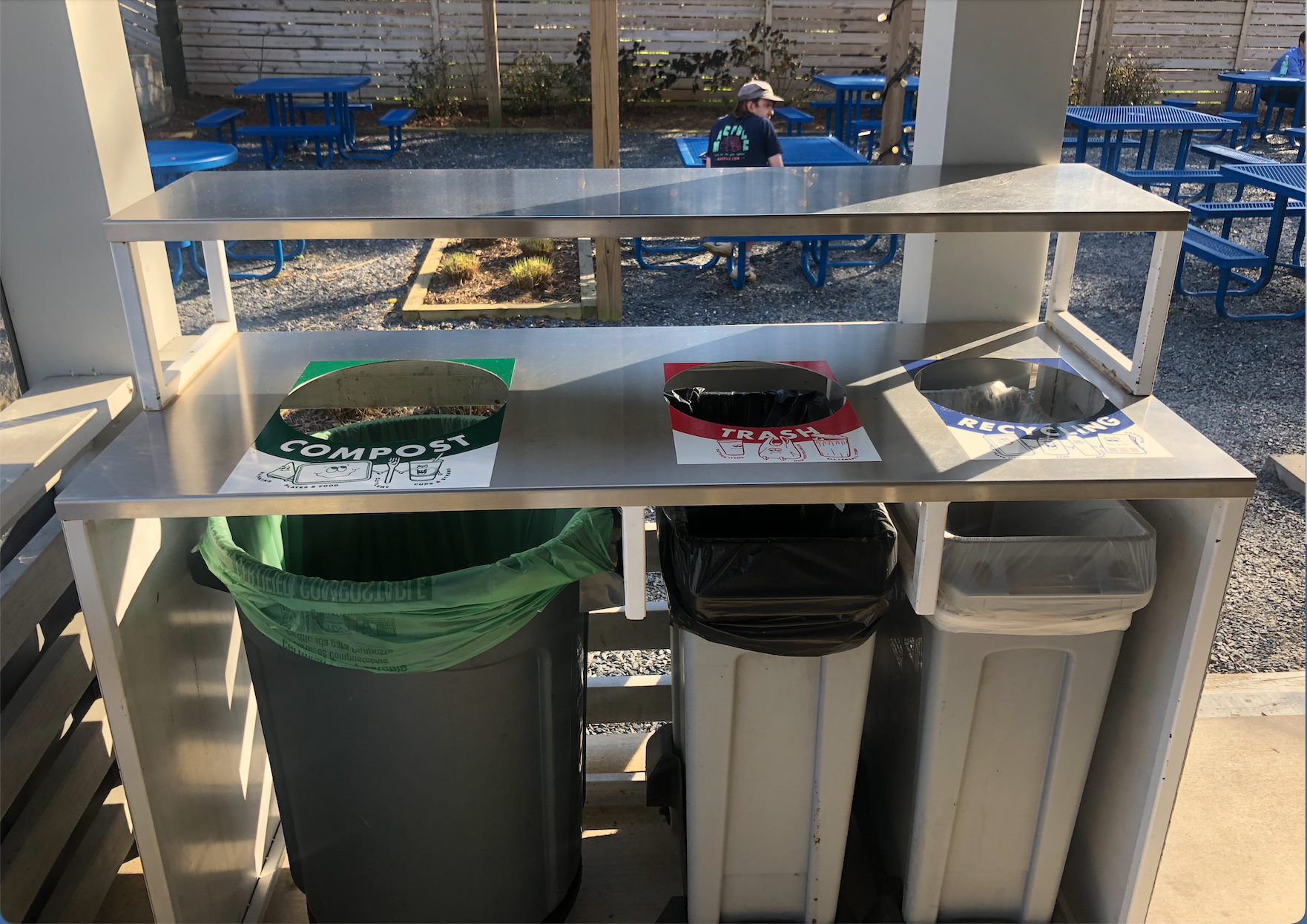 Try It This Month!
For the next month, keep an eye out for compostable products in the wild. Coffee shop cups, takeout containers, compostable cutlery, produce bags, food-service packaging… once you start noticing them, you’ll see them everywhere.
The challenge isn’t just spotting them.
It’s making sure they end up in the compost bin, you have our permission to be a Karen, ask for the manager and tell them you’d like to see them offer composting in their establishment!