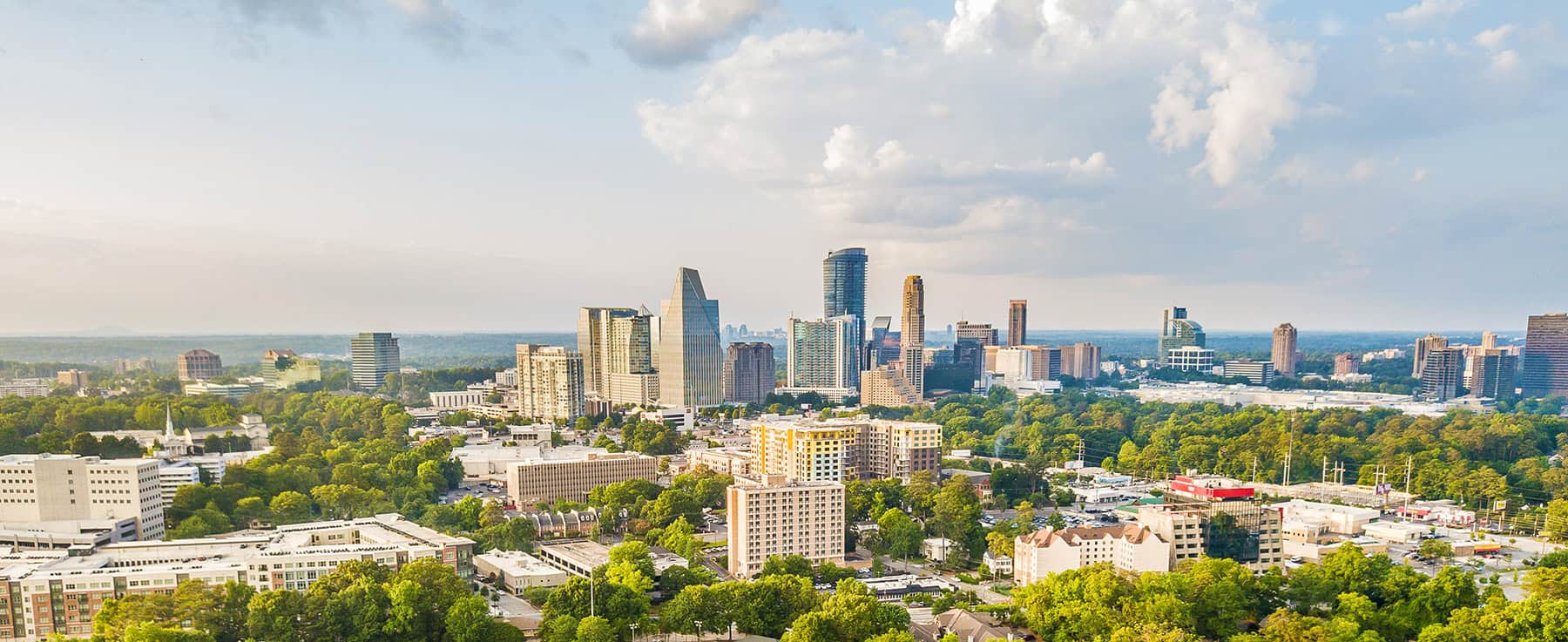


Buckhead’s Office Market Hits Turning Point: What It Means for the Community
 The second quarter of 2025 delivered a mixed message for Buckhead’s commercial real estate market. According to the latest Colliers Office Submarket Report, the Buckhead office market is still in a period of correction, but there are signs of strategic repositioning that could pay off in the long run for Buckhead’s future.
Vacancy Hits a New High, But So Do Ambitions
Buckhead’s vacancy rate rose to an all-time high of 28%, marking three consecutive quarters of negative absorption. Simply put, more office space is sitting empty and for longer than ever before. Leasing activity dipped 12% year over year in the first half of 2025, suggesting continued caution from companies on committing to long-term space in Buckhead. But this isn’t just a downturn, it’s also a turning point.
Strategic Sales and Renovations Signal a Reinvestment in Buckhead
Three major Buckhead properties, Piedmont Center, Lenox Park, and Ameris Center, have changed hands, many at reduced prices. The biggest of the bunch, the 2.2 million square foot Piedmont Center, was acquired through foreclosure by CP Group for $200 million. While the discount sale may look grim on paper, it signals something powerful: new owners see long-term value in Buckhead and are preparing major renovations to attract modern tenants.
Expect to see these legacy properties reimagined for the post pandemic workforce with better amenities, collaborative environments, and features that blend office with lifestyle.
Class A Rates Rise, Showing Strength in Premium Space
Despite overall softness, demand for top tier space is holding firm. Class A asking rents in Buckhead rose 2.3% year over year to an average of $39.07 per square foot, the strongest gain since 2020. High profile leases at buildings like 3630 Peachtree and One Phipps Plaza (home to tenants like Novelis and amenities like Nobu and Life Time Work) prove that companies still see Buckhead as a premium destination, especially when the experience is exceptional.
How Buckhead Stacks Up
Compared to Midtown and Downtown, Buckhead is facing similar headwinds but showing signs of resilience. While all three submarkets are dealing with elevated vacancies and shifting tenant needs, Midtown benefits from newer buildings and a tech-friendly image, while Downtown struggles with aging inventory and slower recovery. Buckhead stands out with rising Class A rents, signaling sustained demand for premium space and long-term investor confidence.
Why This Matters for Buckhead
While vacancy stats may dominate the headlines, the bigger story is Buckhead’s ongoing reinvention. Real estate cycles are inevitable, but the investments being made today through property acquisitions, tenant improvements, and the growth of hybrid workspace models are setting the foundation for Buckhead’s next chapter.
This shift also has ripple effects. As office landlords reinvent their buildings, it draws new energy into the surrounding retail, restaurant, and housing markets. A more modern, competitive Buckhead office landscape could reestablish the submarket as the preferred destination for companies, workers, and visitors alike.
Bottom line: Buckhead is adapting, and while it’s a challenging time for the office market, the long-term outlook is one of resilience and reinvention. What happens in these towers impacts everyone from commuters and local businesses to homeowners and neighborhood vibrancy. Stay tuned as Buckhead writes its next chapter.
This analysis is based on the Q2 2025 Buckhead Office Submarket Report from Colliers. To explore all the data and insights, download the full report here.